The Complete Guide to Growing a Profitable Wholesale Lingerie and Pajama Business
In the dynamic and highly competitive intimate apparel and sleepwear market, building a profitable enterprise requires far more than simply stocking attractive items on a digital storefront. Profitability in the lingerie and pajama sector is a delicate balancing act between managing inventory carrying costs, minimizing high return rates, and capturing customer loyalty through superior quality and fit. For boutique owners, e-commerce entrepreneurs, and growing retail brands, the traditional transactional approach to purchasing inventory is no longer sufficient to guarantee long-term growth.
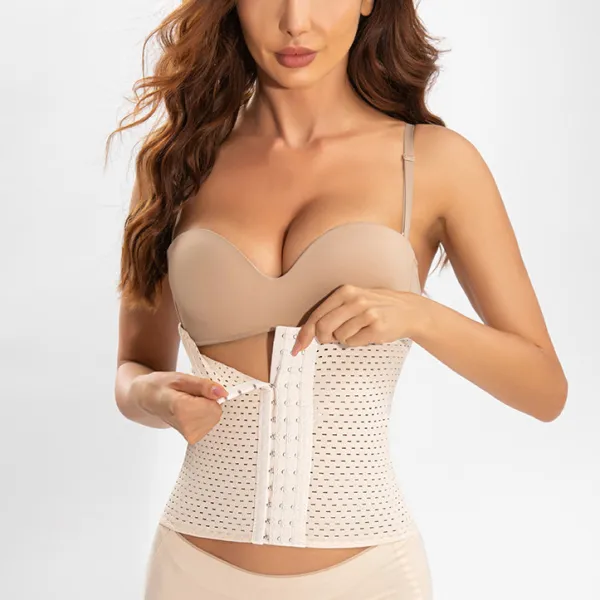
Smart sourcing is the cornerstone of sustainable retail profitability. When retailers move away from generic, low-quality commodity reselling and begin forging strategic partnerships with elite
1. Introduction: The Evolving Landscape of Intimate Retail
The intimate apparel industry is unique. Unlike general apparel, lingerie and sleepwear rest directly against the skin, requiring exacting standards in fabric breathability, structural engineering, and sizing precision. When a customer purchases a poorly constructed bra, an ill-fitting shapewear piece, or scratchy pajamas, the likelihood of a return skyrockets. Because intimate apparel faces strict hygiene regulations, returned items often cannot be resold, turning potential revenue into a dead loss.
Therefore, smart sourcing begins at the manufacturing level. Retailers must audit their supply chains to ensure that every partner adheres to rigorous quality control. By securing high-grade materials and reliable construction, you lay the groundwork for low return rates, high customer satisfaction, and sustainable profit margins.
2. Mastering Core Sourcing: The Foundation of Everyday Essentials
Every successful lingerie and pajama enterprise is built upon a reliable foundation of daily essentials. These are the staple items that consumers purchase consistently throughout the year, regardless of seasonal shifts or fleeting fashion trends. Mastering the procurement of these foundational pieces is the first step toward securing predictable, high-margin revenue streams.
When sourcing foundational items such as daily support garments and foundational wear, volume economics play a critical role. By purchasing
Predictable Cash Flow: Core essentials sell year-round, providing a stable financial cushion that funds your broader marketing and expansion efforts.
Supplier Leverage: High-volume purchases of staple goods allow you to negotiate better terms, faster shipping windows, and priority allocation during peak holiday rushes.

3. Expanding into High-Value Categories: Shapewear and Inclusivity
Beyond basic foundational wear, modern consumers demand versatility and comprehensive sizing options. Retailers who limit their catalogs to standard sizes and basic silhouettes are missing out on some of the most lucrative segments of the intimate apparel market.
The shapewear market represents a powerful margin-expander when approached with strategic clarity
Simultaneously, addressing the severe underserved demand in the plus-size market is one of the most reliable ways to secure unwavering brand loyalty. Traditional mass-market retailers often treat larger sizing as an afterthought, utilizing poor grading techniques that compromise comfort and support. By curating a dedicated
4. Customization and Personalization: The Ultimate Margin Driver
In an era dominated by automated mass production, consumers increasingly crave individuality. Competing purely on price is a dangerous race to the bottom that ultimately erodes brand equity. To command premium retail pricing—often 20% to 30% higher than standard market averages—retailers must offer products that cannot be replicated by generic competitors.
The integration of bespoke solutions has become increasingly accessible for independent and mid-sized retailers through advanced supply chain networks. Offering
5. Operational Excellence: Inventory Discipline and Data-Driven Buying
Smart sourcing is not merely about choosing the right products; it is about managing the operational lifecycle of your inventory with rigorous discipline
Embrace Agile Replenishment: Partner with suppliers who offer rapid fulfillment and low minimum order quantities (MOQs). This prevents cash flow lockup and allows you to test new trends before committing large amounts of capital
. Treat Returns as Data: Analyze return reasons meticulously. If a specific SKU generates high fit-related returns, collaborate with your manufacturing partners to adjust sizing charts or refine structural grading
. Implement the "Core + Trend" Model: Maintain steady stock on your foundational best-sellers while utilizing small-batch, limited-run orders for seasonal pajama trends and aesthetic drops to drive urgency and excitement
.

6. Building a Sustainable Retail Future
Maximizing profitability in the wholesale lingerie and pajama sector requires a fundamental shift from reactive purchasing to proactive, strategic sourcing. By building your inventory upon a reliable foundation of core essentials, expanding thoughtfully into shapewear and inclusive sizing, and elevating your brand value through customization and personalization, you create an unshakeable competitive advantage
The modern retail landscape belongs to those who view their supply chain as an active partner in growth rather than a passive warehouse


Comments
Post a Comment