From Factory to Store: The Step-by-Step Manufacturing Journey of Premium Sets
In today’s fast-evolving fashion industry, premium clothing sets have become a cornerstone of modern wardrobes. From casual loungewear to coordinated outfits for men, women, and children, sets are prized for their versatility, consistency in design, and strong market appeal. Behind every polished collection displayed in a store lies a complex manufacturing journey—one that begins long before fabrics are cut and ends only when the final product reaches consumers. This article explores, step by step, how premium sets move from factory floors to retail shelves, revealing the processes, people, and decisions that shape quality apparel in the global market.
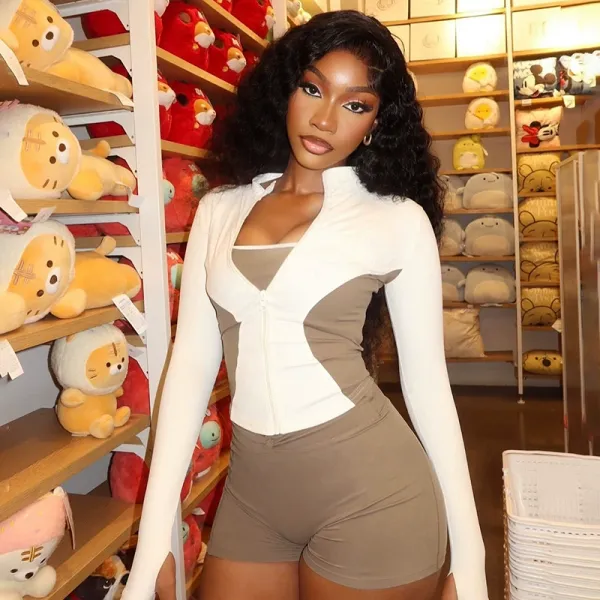
1. Concept Development and Market Research
The journey begins with an idea. Brands and wholesalers analyze market trends, consumer behavior, seasonal demands, and regional preferences. Data from previous sales, fashion forecasts, and social media trends guide decisions on silhouettes, fabrics, and color palettes.
For example, rising demand for coordinated casual wear has boosted interest in wholesale 2 piece sets, which offer easy styling and broad appeal. At the same time, athleisure trends continue to drive wholesale Joggers sets, while warm-weather markets show consistent growth in wholesale shorts sets. Designers also study demographic segments carefully, ensuring that collections meet the needs of men, women, and children alike, including wholesale men sets and wholesale kids sets.
This stage is crucial, as accurate market positioning reduces risk and ensures that manufacturing resources are invested wisely.
2. Design and Technical Planning
Once a concept is approved, designers translate ideas into detailed sketches and digital renderings. These designs consider not only aesthetics but also functionality, comfort, and production feasibility. For premium sets, attention to proportion and coordination is essential—each top and bottom must complement the other perfectly.
Technical designers then create spec sheets that define measurements, stitching methods, fabric types, and finishing details. This documentation ensures consistency across large production runs. During this phase, brands offering customization options begin planning for custom women sets, custom mens sets, and custom kids sets, outlining which elements can be modified, such as fabric choice, color, logos, or sizing.
3. Fabric Sourcing and Material Selection
Fabric selection is one of the most critical steps in manufacturing premium sets. Sourcing teams work with textile mills to find materials that balance quality, durability, comfort, and cost. Natural fibers like cotton and wool are valued for breathability, while blends and synthetics may be chosen for stretch, moisture control, or easy care.
For items such as 2 piece skirt set wholesale collections, fabric drape and texture are especially important, as they influence how the garment moves and fits. Meanwhile, jogger and shorts sets often require fabrics that can withstand frequent washing while maintaining shape and softness.
Sustainability has also become a major consideration. Many factories now prioritize eco-friendly materials and responsible sourcing, responding to both regulatory pressures and consumer expectations.
4. Sampling and Prototyping
Before full-scale production begins, manufacturers create samples to test design accuracy and construction quality. These prototypes allow brands to evaluate fit, comfort, and overall appearance. Adjustments are made based on feedback, sometimes requiring multiple sample rounds.
Sampling is particularly important for customized orders. When producing custom women sets or custom mens sets, small changes in cut or fabric can significantly affect the final look. For children’s wear, safety and comfort are paramount, making sampling essential for custom kids sets to ensure age-appropriate sizing and materials.
Only after samples meet approval standards does the project move forward.
5. Pattern Making and Grading
Approved samples are converted into production-ready patterns. Pattern makers use specialized software or traditional drafting techniques to create templates for each garment piece. These patterns are then graded into different sizes, ensuring consistency across the size range.
For wholesalers producing large volumes—such as wholesale men sets or wholesale kids sets—accurate grading is essential to minimize returns and maintain brand reputation. Poor sizing can undermine even the best design, so this step demands precision and expertise.
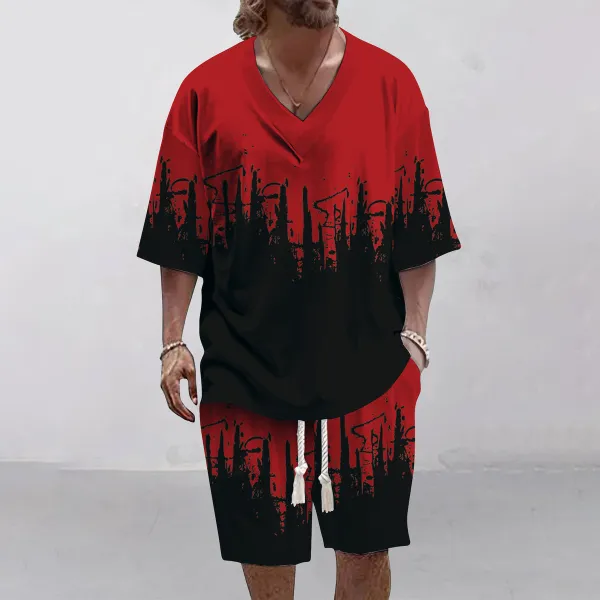
6. Cutting and Preparation
With patterns finalized, fabric cutting begins. Layers of fabric are spread on large cutting tables and cut using automated machines or skilled manual methods. Accuracy at this stage reduces waste and ensures uniformity.
Each cut piece is labeled and bundled according to size and style, preparing it for assembly. For coordinated outfits like wholesale 2 piece sets or wholesale Joggers sets, careful organization ensures that matching tops and bottoms remain consistent in color and fabric lot.
7. Sewing and Assembly
Sewing is where individual components become recognizable garments. Skilled workers assemble pieces using industrial sewing machines, following standardized procedures to maintain quality and efficiency.
Different sets require different techniques. For example, jogger sets may involve elastic waistbands and reinforced seams, while skirt sets often demand cleaner finishes and precise stitching. Factories producing wholesale shorts sets must balance speed with attention to detail, as these items are often produced in high volumes.
Quality control checks occur throughout this stage, identifying defects early and preventing costly rework later.
8. Finishing and Quality Control
After assembly, garments move to the finishing stage. This includes trimming loose threads, pressing, washing (if required), and adding labels or tags. Branding elements such as logos or custom prints are applied at this point, especially for custom women sets and custom mens sets designed for specific clients or markets.
Comprehensive quality inspections ensure that each item meets established standards. Measurements are checked, seams are tested, and fabrics are examined for flaws. For children’s apparel, additional safety checks are often conducted to ensure compliance with regulations.
Only products that pass inspection move forward.
9. Packaging and Logistics
Finished sets are folded, packaged, and prepared for shipment. Packaging choices vary depending on brand positioning—premium collections may use branded bags or boxes, while wholesale orders often prioritize efficiency and protection during transit.
Logistics teams coordinate shipping, customs documentation, and delivery schedules. Efficient logistics are especially important for international buyers sourcing wholesale men sets, wholesale kids sets, or large quantities of seasonal items like wholesale shorts sets, where timing can directly affect sales performance.
10. Distribution and Retail Presentation
Once products arrive at their destination, they enter distribution centers or move directly to retail locations. Merchandisers plan how sets will be displayed, emphasizing coordination and styling possibilities to attract consumers.
Retailers often highlight the convenience and value of coordinated outfits, which explains the enduring popularity of wholesale 2 piece sets and matching jogger or skirt collections. Clear sizing, appealing displays, and consistent branding help convert manufacturing efforts into actual sales.
11. Feedback, Analysis, and Continuous Improvement
The manufacturing journey does not end at the store. Sales data, customer feedback, and return rates provide valuable insights for future collections. Brands analyze which styles, fabrics, and fits performed best, using this information to refine designs and production processes.
For manufacturers offering customization, feedback helps improve options for custom kids sets, custom womens sets, and custom mens sets, ensuring that future orders align even more closely with client expectations.
Continuous improvement strengthens partnerships between brands, factories, and wholesalers, creating a more responsive and resilient supply chain.
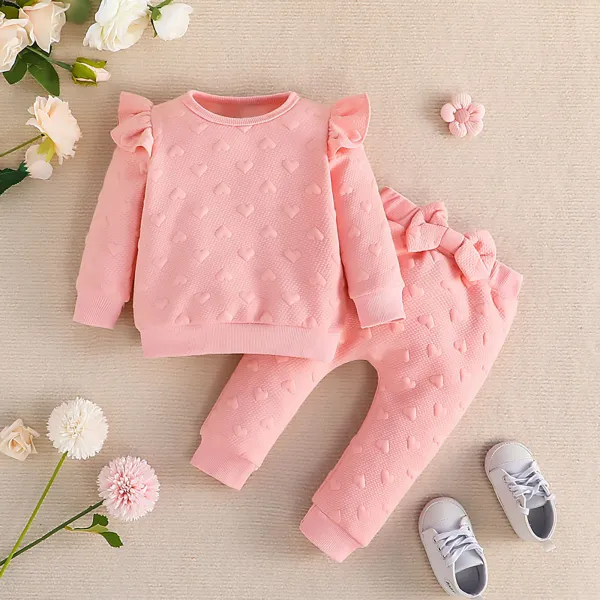
The path from factory to store is a detailed, collaborative process that combines creativity, technical skill, and operational efficiency. Each step—from concept development and fabric sourcing to sewing, quality control, and distribution—plays a vital role in delivering premium sets to the market.
Whether producing wholesale Joggers sets, 2 piece skirt set wholesale collections, or tailored solutions like custom women sets and custom kids sets, successful manufacturing depends on careful planning and execution. By understanding this journey, brands and buyers alike gain a deeper appreciation for the craftsmanship and coordination behind every premium set, and for the systems that transform raw materials into finished products ready to be worn and enjoyed.


Comments
Post a Comment